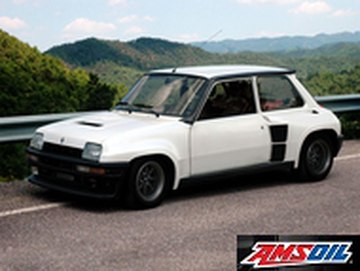
Lubrication Maintenance for the 1981 Renault LE CAR 1.4L
Maintaining the mechanical integrity of a vehicle like the 1981 Renault LE CAR 1.4L requires a disciplined approach to fluid management and routine inspections. As an engine ages, the quality of its lubrication becomes a primary factor in how smoothly internal components operate and how well the system resists the effects of heat and friction. For owners of this specific 1.4L application, staying proactive with oil-related service is one of the most effective ways to manage long-term engine health.
Monitoring Fluid Condition and Potential Leaks
One of the most practical aspects of routine maintenance is the regular observation of the engine bay for any signs of fluid movement. Because older engines may experience changes in how various seals and gaskets behave over time, a visual inspection can be highly informative. When performing routine checks, look for any evidence of seepage or wetness around sealing surfaces. Even small amounts of oil residue can indicate that a seal is beginning to lose its effectiveness.
It is also useful to monitor the appearance of the lubricant itself. If you notice a significant change in the color or texture of the oil during a check, it may warrant further investigation. For example, an extremely dark or gritty texture could suggest that the oil has been subjected to heavy thermal stress or that contaminants are present. While many factors can influence the look of engine oil, consistent monitoring allows you to identify changes early rather than waiting for a more significant issue to arise.
Managing Long-Term Engine Health
For an owner of a 1981 Renault LE CAR, establishing a clear understanding of the vehicle's service history is invaluable. If you have recently acquired this vehicle, your first priority should be to establish a maintenance baseline. This involves reviewing any available service records to see when the oil and filters were last addressed. If no documentation exists, treating the current fluid as a starting point for a new, documented maintenance schedule is a wise decision.
As vehicles age, maintenance priorities often shift from purely preventive measures to condition-based monitoring. Rather than following generic advice based solely on the age of the car, focus on the actual state of the components. This means prioritizing tasks such as addressing active leaks or investigating any unusual mechanical noises that occur during operation. By focusing on the current physical condition of the 1.4L engine, you can make more informed decisions about which maintenance tasks require immediate attention and which are simply part of a standard long-term care plan.
Observing Operational Warning Signs
Understanding how your vehicle communicates potential issues is a key skill for any owner. While many mechanical concerns develop gradually, certain symptoms should never be ignored. If you notice unusual smells or changes in how the engine sounds during startup or idling, these can be associated with various underlying conditions. For instance, an odor that suggests oil is contacting a hot external component may indicate a leak that needs to be located and addressed.
It is important to remember that symptoms are often non-specific; a single observation, such as a change in exhaust appearance or a new noise, can have multiple potential causes. Therefore, these signs should be viewed as prompts for investigation rather than definitive diagnoses of a specific part failure. If you observe any unexpected behavior, the most effective course of action is to perform a thorough inspection of the engine area and consult the application-specific information provided for your vehicle.
Practical Inspection of Engine Bay Components
A comprehensive maintenance routine should include more than just checking the oil level. Taking time to inspect other accessible components can prevent small issues from escalating. If equipped, check any visible drive belts for signs of wear such as cracking, glazing, or fraying. Similarly, if the vehicle is equipped with various hoses, inspect them for any signs of brittleness, swelling, or leaks at the connection points.
Electrical connections and wiring should also be checked for cleanliness and secure seating. Corroded or loose connectors can sometimes lead to erratic engine behavior that might be mistaken for lubrication issues. By performing these small, frequent checks, you create a more complete picture of the vehicle's overall condition, ensuring that the 1.4L engine operates within its intended parameters.
The Role of Lubrication in Engine Protection
Engine oil performs several vital roles that are essential for the continued operation of the 1.4L powerplant. Beyond simply reducing friction between moving parts, the lubricant helps to manage the heat generated during combustion and mechanical movement. It also serves as a medium to carry away microscopic debris and contaminants, preventing them from accumulating in sensitive areas of the engine.
Effective lubrication is also critical for protecting components during the initial moments of engine startup. During this phase, the oil must be able to circulate quickly to ensure that all moving parts receive adequate protection before the system reaches full operating temperature. Maintaining clean and fresh oil helps ensure that these protective qualities remain consistent throughout the life of the lubricant.
Buying Engine Oil for your 1981 Renault LE CAR 1.4L
When it is time to replenish your engine's lubricant, accuracy in selection is paramount. To ensure you are providing the correct protection for this specific 1.4L engine, always match the oil to the application-specific viscosity and requirements listed on this webpage. Avoid making assumptions based on the age of the vehicle or general automotive trends; instead, rely strictly on the data provided for your exact model.
Before completing your purchase, carefully check the product labels to ensure they align with the information displayed here. You may encounter various formulations, including conventional oils, synthetic blends, and full synthetics. Some high-mileage oil formulations also contain additives intended for use in aging engines, such as seal-conditioning agents. However, the most important step is verifying that the lubricant meets the specific viscosity grade required by your 1981 Renault LE CAR. By following the application information provided on this page, you can select a product that is appropriate for your vehicle's specific needs.